



Social media use is now a big part of life among teenagers and adults. It keeps all people in touch, reports news, and sets up entertainment. Nevertheless, it equally has powerful impacts on psychological well-being. Online teens begin to compare themselves with others, thus demoralizing themselves.
Too much time on screens may affect sleep. Likewise, social media could be helpful and offer a sense of belonging in the case of beneficial use. The influence is determined by the amount of time and its utilization. These consequences are relevant to the construction of the promotion of healthy habits and to the protection of the states of mental well-being of both cohorts.
Why Mental Health and Social Media Are Closely Linked
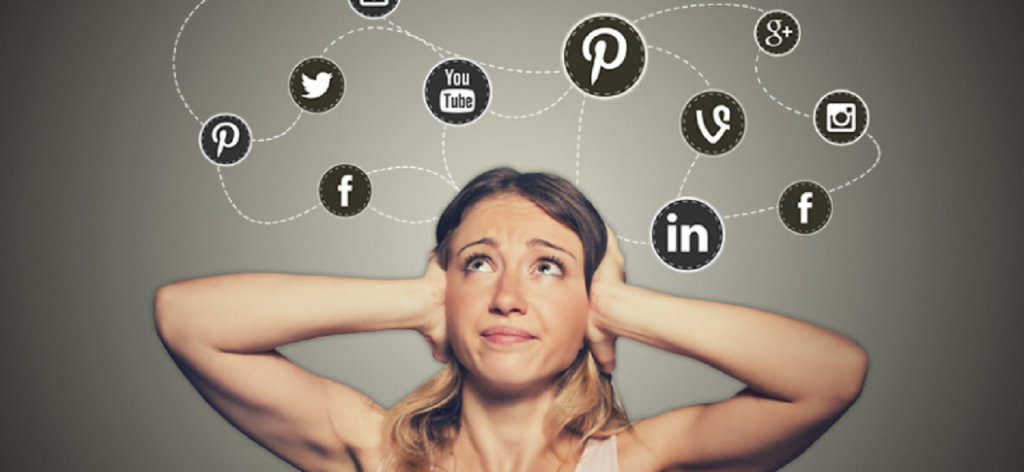
Mental conditions and social media are inseparable due to the influence that online content can produce on human feelings and impressions. Social media is full of photos, videos, and entries, which determine the way individuals think about themselves and others. Juveniles tend to make comparisons of their appearance, performance, or living standards on the Internet. This comparison can be deflating to self-esteem and cause stress, jealousy, or sadness.
Older people are not spared either, as they suffer from likes, comments, and a feeling of being up to date. Unnecessary spending of time on the Internet may disrupt sleep, suppress face-to-face social lives, and even lead to loneliness. Many people can also be helped by social media. It also allows access to share feelings, get suggestions, and even join support groups.
Online communities can encourage teenagers and adults to find new people, deal with problems, and even seek professional assistance. They can improve the mental health of people by inspiring stories and lessons, and using them in a wiser way. The correlation between mental health and social media relies on the balance. As a healthy and conscious usage, it may even serve humans, especially when combined with initiatives like workplace mental health support that address challenges in both personal and professional life.
How Social Media Affects Mental Health in Teens and Adults
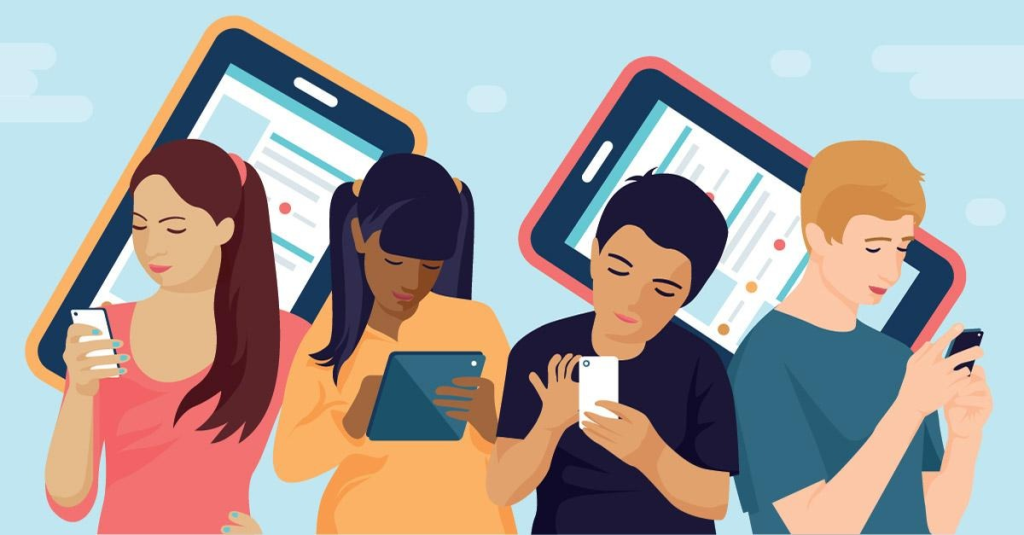
Social media has become a way of life for teens and adults. It allows individuals to network, relax, and exchange ideas. Yet it causes mental health in so many ways as well. Adolescents tend to blame their lives on what they post online. This may make them ill or less self-assured. Most of them also have the pressure to acquire likes and followers.
Social media also influences adult people. They can be under pressure, looking at other people perform well in their careers or lives. Excessive time a person spends online may disrupt sleep and time dedicated to their relationships in the real world. It is also able to increase the feeling of loneliness and anxiety. Cybercrime involving abuse and insults may be dangerous to both the teenagers and the adults. Importantly, experts highlight that stress affects adult health, especially when online pressures are added to daily responsibilities.
At the same time, social media can be of assistance and a motivating factor. Individuals are able to get into groups, exchange experiences, and get help. It can give a feeling of belonging and linking. Social media has an impact, and it depends on its application. Mental health may be enhanced by healthy use. Excess or negligence may cause issues. It is also beneficial that the impact of such effects should be known to both teenagers and adults.
Top Negative and Positive Effects of Social Media
The impact of social media on psychological well-being as well as everyday life is catastrophic. Adolescents tend to make comparisons with others. This may reduce their self-esteem and result in stress. The majority of people feel compelled to seem nice or display the perfect lives online. This could lead to anxiety, sadness, or even depression.
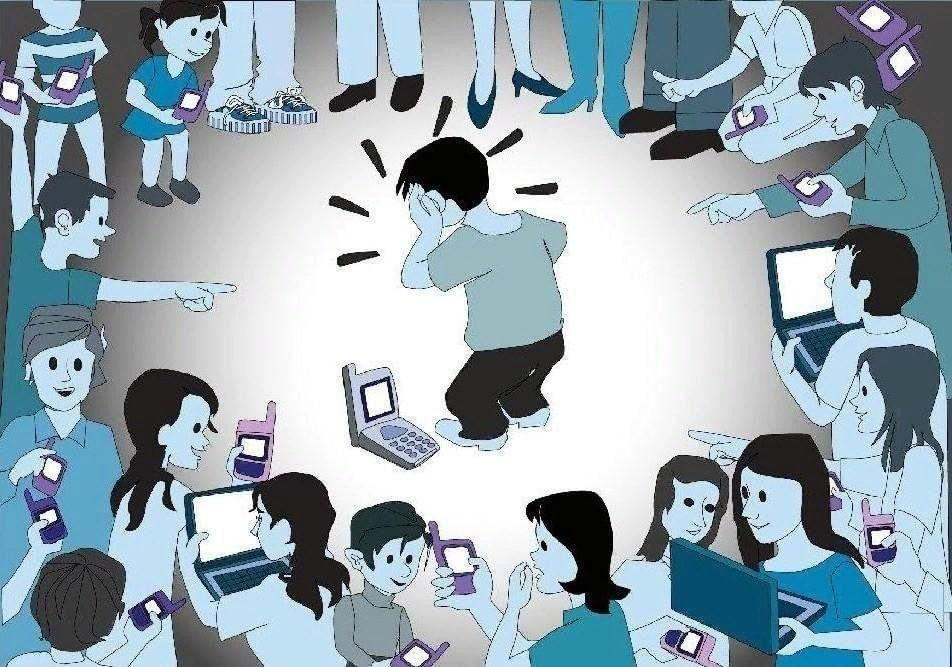
Another problem is cyberbullying. Online harassment or bad remarks may be destructive to the emotional state. Overuse of social media can also disrupt sleep and decrease attention to any studies or work. It can also deprive time for family and in-person friendship. Such an abusive use tends to cause isolation and loneliness even when people are constantly connected to the internet.
It is possible to use social media wisely, and it is also possible to apply it positively. It helps people to keep in touch with the relatives of their relatives and friends, even in remote places. Young people and adults may locate groups of people where their needs are accepted and well understood. It may offer a secure zone to effectively exchange experiences and feelings.
Social media is also involved in sharing learned and realized concepts of vital concerns. People get motivated, inspired, and have opportunities out of online content. It is able to sponsor learning, innovativeness, and self-expression. People can also get support groups and mental health resources on social media. A balanced usage may enhance confidence, build friendships, and make one feel belonging upon its use.
What Are the Warning Signs of Social Media Overuse?
There are various risk indicators of excessive use of social media. Among the symptoms is excessive use of the Internet and neglect of the assigned tasks. Adults and teens might become undisciplined in their studies, working, or family time. Another caution sign is sleeping problems since sleep is decreased through scrolling at night. People can also be anxious or angry when they are not in a position to check their accounts.
Extensive use can create mood effects, e.g., irritability, sadness, or stress. Some people would not necessarily go through occupational courses and would only communicate via the internet. The lack of interest in hobbies, or in out-of-doors work, is not uncommon as well. Social media becomes bad after it begins to dictate thoughts and feelings. And it is good to recognize such signs as soon as possible so as to avoid such drastic effects on the mental and emotional level.
How to Use Social Media in a Healthy Way
Set a time deadline during which you should use social media, and do not scroll it late at night. Pay attention to good materials that will make you smile and be inspired. You should not use other people as the basis of comparison, since the majority of posts will present the best sides. Have frequent phone-free time when you can be with family, friends, or outdoor nature.
You need to be honest and talk to someone close to you or seek professional help in case you are stressed when using social media or somehow become anxious. A case in point is an example of a General Physician in Dubai who can advise you on how to manage screen time and still stay healthy. On healthy use, you experience the advantages of social media without it taking over your life and mood.
Conclusion
Social media is an effective weapon that leaves an impression on the lives of teenagers and adults. It may be used to aid learning and friends, along with expressing oneself, but when misused, it damages mental health as well. Adolescents may experience issues related to comparison and pressure, and adults may feel lonely, stressed, or anxious. Balance and its careful utilization are the key.
Limit screen time, select constructive information, and pause to preserve emotional health. Discuss online problems with family members or friends. When there is an indicator of stress/anxiety, do not overlook it. Get assistance and expert advice in case of need. With social media, we all need to figure out how to use it in a way that connects and instills digital trust and not hatred. The state of your mental activity should come first.